
Negotiations to reform European agriculture are going in the wrong direction and will not halt the rapid collapse of biodiversity, warn Friends of the Earth Europe. The warning comes on the International Day of Biological Diversity and as the debate on the reform of European agricultural policy reaches a critical stage.
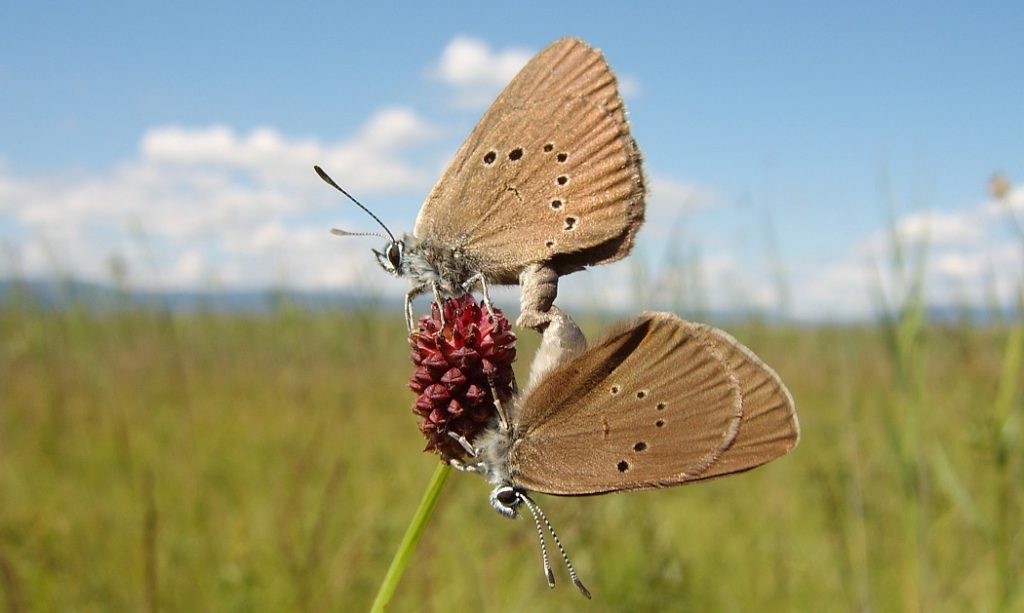
Last week, European ministers responsible for agriculture expressed their desire to scrap proposals by the European Commission to make farming more sustainable. This could further threaten biodiversity in Europe. Butterflies alone, dependent on diverse agricultural ecosystems, have declined by 70% over the past twenty years as a result of perverse farming subsidies and intensive agriculture. Only 3% of key species and 7% of habitats dependent upon agriculture are in a favourable conservation status.
Friedrich Wulf, biodiversity campaigner for Friends of the Earth Europe said: “For 50 years European agricultural policy has supported intensive farming and monocultures to the detriment of more sustainable forms of agriculture. The result is a massive decline in the diversity of wildlife in Europe and untold damage to the ecosystems upon which humans are dependent.”
Friends of the Earth Europe urge European Institutions to use the ongoing debate on the Common Agriculture Policy (CAP) reform to undertake a radical overhaul. Addressing the decrease in crop diversity and protecting grassland across Europe is essential if Europe is to tackle biodiversity loss.
Friedrich Wulf continued: “We don’t have another 50 years to wait. Unless the EU steps up the debate, the collapse of biodiversity will be a devastating and costly legacy for our children.”
“For a root and branch reform of farming, the European Parliament and national governments must support mandatory measures for fairer and greener farming that support small scale farmers, incentivise crop rotation, support maintenance of grasslands and ecological focus areas and reward biodiversity protection.”
A detailed list of Friends of the Earth Europe’s key demands for the reform of the CAP is available here.